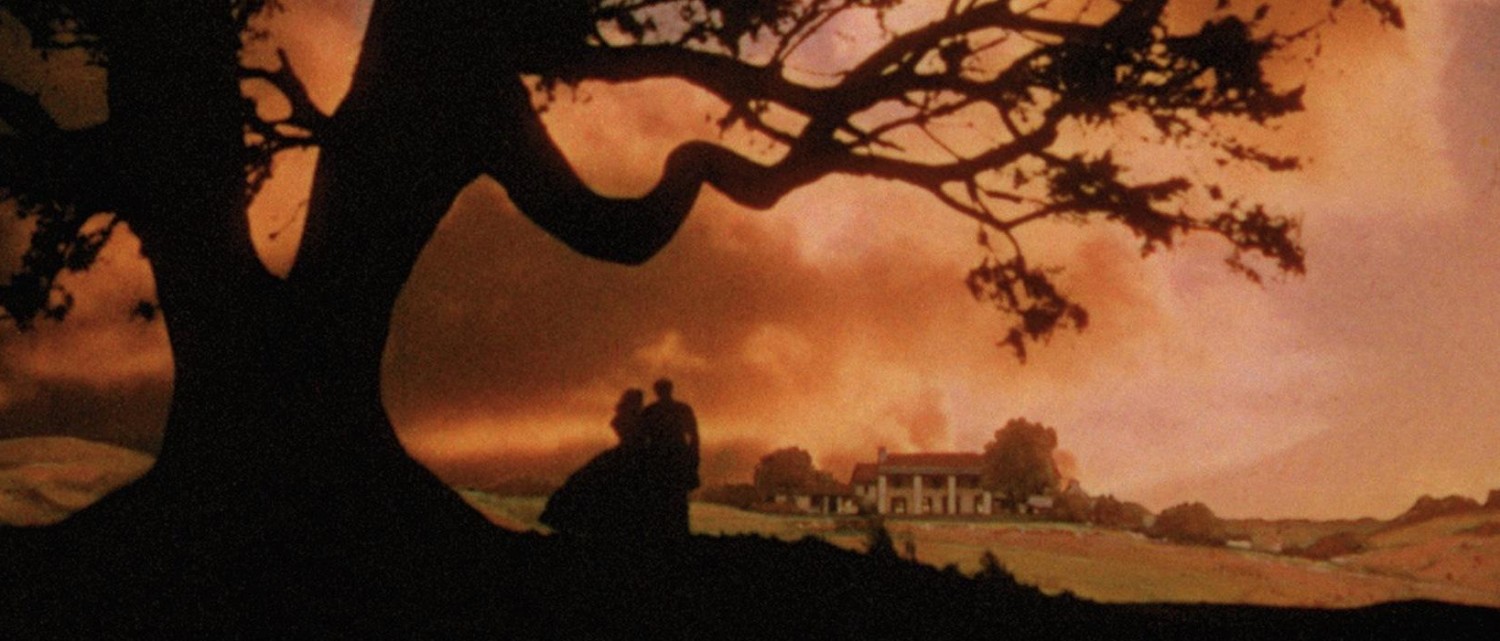
With the recent post on The Wizard of Oz, as well as the journey we’ve been taking through movie music in the context of the year 1939 (which has included lists of the great composers, scores, and songwriters in film history), I thought that a list of the greatest movie songs is worth putting together. Continue reading
Tag Archives: Fred Astaire
White Christmas (1954)

I just wrote a brief review of Holiday Inn, Mark Sandrich’s famous musical of 1942 starring Bing Crosby and Fred Astaire. Before you read this review, you have to read that review. This is because the substance of this review will be founded on important topics that I brought up in that one. The greatness of White Christmas lies not in the fact that it is a sweet or uplifting holiday classic. It is found, first and foremost, in an examination of its place in history and its position as a piece of cinema in juxtaposition with the films that preceded it. One of the great criticisms of White Christmas is that it is just “a pleasant little piece of fluff trying to capitalize on past accomplishments.” (So wrote Movie Metropolis’ John J. Puccio.) But, it is far less a consumerist attempt to spin-off of an older masterpiece than it is a completion of the tale left untold; it is, in essence, the post-war companion piece to its war-time counterpart. Continue reading
Holiday Inn (1942)
Fred Astaire and Ginger Rogers were in a lot of movies together, the best of which were Swing Time and Top Hat. It was on the set of Top Hat that Astaire first heard the melody that would become “White Christmas.” The tune was hummed to him by one of the great songwriting masters of the 1930s and 1940s, Irving Berlin, who was the chief songwriter for the film. Astaire was instantly smitten by the melody. The song, however, didn’t make the final cut for Top Hat. Continue reading
The Gold Rush (1927)
I have decided that as long as I am here, I will stay here and enjoy it.
For me, after all, Charlie Chaplin is like Paris. He’s that thing you’ve always heard of and can recognize in a heartbeat even if you’ve never really seen it for yourself. He’s the one who’s always been there; not a single person alive today knows of a time when he wasn’t. He’s the icon that transcends just one country; he belongs a little bit to everyone. Amid a Hollywood full of Chicagos and Houstons, Chaplin is the La Ville-Lumière, the City of Love and Lights. It is only fitting, therefore, that he made such urban films. With that being said, his personal favorite film, and the one which is most universally praised, is The Gold Rush: his most rural. Continue reading