L’Atalante (1934)

“What?  You closed your eyes?…Don’t you know you can see your beloved’s face in the water?…It’s true.  When I was little, I saw things like that.  And last year, I saw your face in the water.”

Could it be that simple, to just open your eyes?  Certainly not, but there is certainly something magically simple about love.  In all its frustrating complexity, it never deviates from the simple constant of feeling. Continue reading

Detour (1945)

This is the sort of movie that you would never think belongs on a blog like this.

The negatives are flipped, the fog machines corny.  The actors are transparent, their characters cliched.  The lighting seems artificial, the plot seems incomplete.  The whole thing is cheap in its production , even cheap in its quasi-Freudian metaphors.  It’s the sort of movie that a high-schooler may come up with in about a week. Continue reading

Laura (1944)

Laura (1944) - Laura (1944) Photo (15751310) - Fanpop

With the close of both the Holiday Season and Awards Season, I move again to my series of reviews on American film noir in the 1940s.

Where Double Indemnity and The Maltese Falcon have survived into the 21st century with reputations intact as noir classics, Otto Preminger’s masterpiece Laura has been relatively forgotten outside of more expert circles.  Continue reading

88th Annual Academy Awards

Perhaps you could call this year the year of the Blockbuster.  Or, the year of the colon.  Star Wars: The Force Awakens, Avengers: Age of Ultron, Hunger Games: Mockingjay, Mad Max: Fury Road, the list kind of goes on and on when it comes to the colonated titles that did more than just “grace” the box office charts.  Continue reading

A Christmas Story (1983)

“Mothers know nothing about creeping marauders burrowing through the snow toward the kitchen where only you and you alone stand between your tiny, huddled family and insensate evil.”

Lines like this one, muttered by narrator Ralphie Parker, who tells the story of his most memorable childhood Christmas, are what give such compassionate life to what many consider the most funny holiday film ever recorded.  Continue reading

Planes, Trains and Automobiles (1987)

In my family, the holiday season begins with Thanksgiving (or, some years, the day before).  Growing up, it meant going to grandma and grandpa’s house in Idaho and cutting down a Christmas tree.  The perpetual wafting of sage, thyme, garlic, and rosemary would accompany the two Als (Roker and Michaels), as parades, football, and good family conversation would culminate in the feast of feasts.  Continue reading

Meet Me in St. Louis (1944)

Just last week, my wife, two children, and I walked down Main Street in our small town.  Such walks—weaving ’round fire hydrants and passerbies with our bulky double stroller on the narrow sidewalks—have become a favorite pastime of ours since moving to this historic hamlet in western Virginia.   Continue reading

Double Indemnity (1944)

DOUBLE INDEMNITY

Double Indemnity was not Billy Wilder’s first directorial effort.  But, as far as history is concerned, it is his first great directorial effort.  And, it was the first of many.  Continue reading

The Maltese Falcon (1941)

The Maltese Falcon (1941): John Huston's Noir masterpiece featuring a ...

“The cheaper the crook, the gaudier the patter.”—Sam Spade, The Maltese Falcon

It is a recipe for disaster in the world of film noir to be incapable of formulating a good, old-fashioned threat.  Continue reading

The Roaring Twenties (1939)*

*or, My Introduction to Film Noir

*or, An Introduction to the Superlative Star-Power of THE James Cagney (a Man Without Peer)

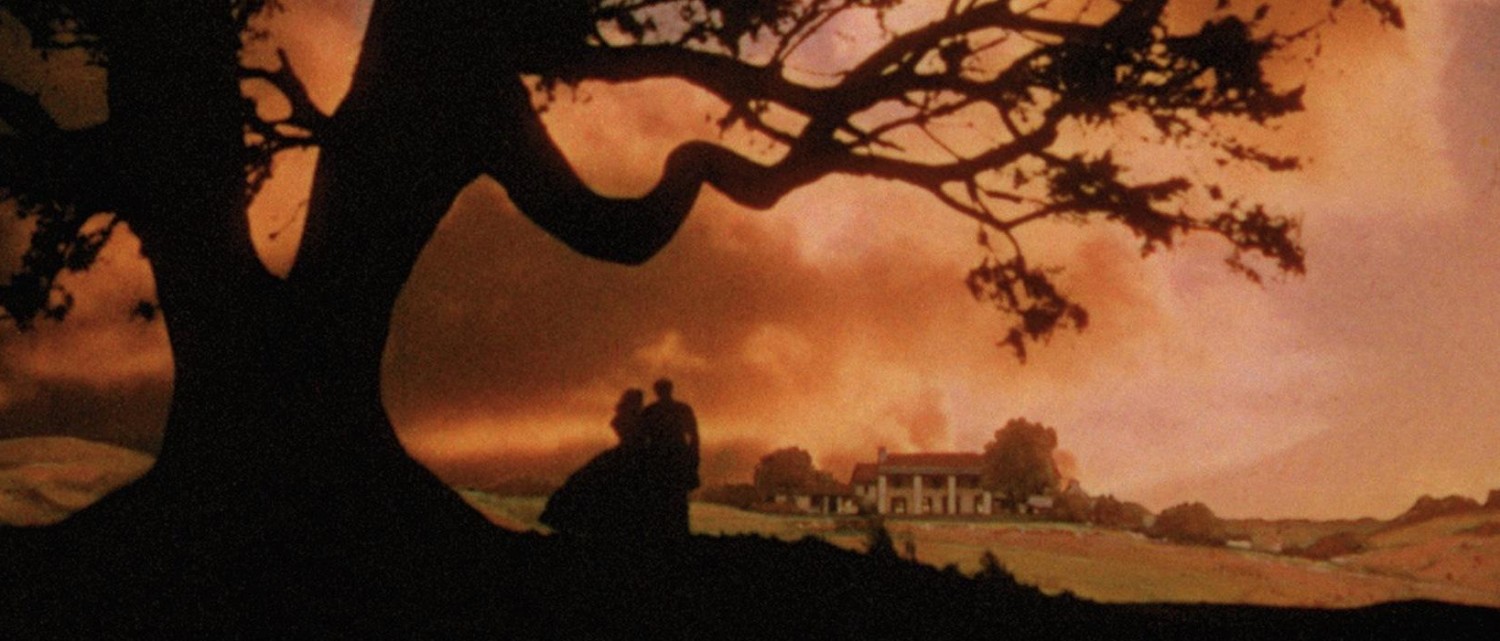
Well, at long last, we’ve reached the end of this fun and fantastic foray into the thrilling theatrical watershed, 1939.  The year of such great films as Stagecoach, Gone With the Wind, The Wizard of Oz, Mr. Smith Goes to Washington, Wuthering Heights, Ninotchka, and Midnight, 1939 has long been considered the finest year in Hollywood history.  Surely, it is a testament to the era of Great American Screenplays in which it was born.  One way in which this era of the great screenplays in American history was characterized was by the star-power it conceived.  And, in The Roaring Twenties, we see exactly what sort of star-power the era could produce. Continue reading