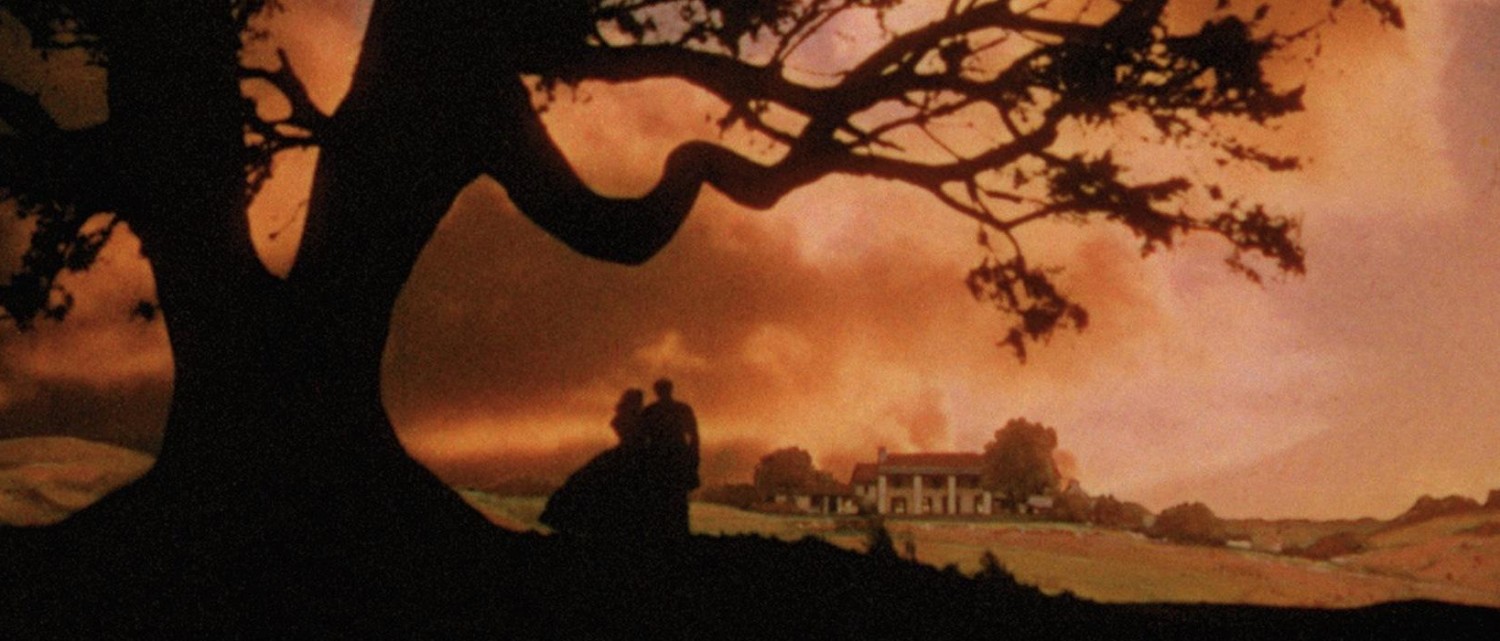
Modern Times (1936)

modern times

My blog, at least on the surface, is directed by reason and ruled by rationale.  While I sometimes stray from the formula (see my occasional dabblings in annual Academy Awards season, etc.), I attempt to methodically determine what is the next best thing to post in conjunction with what has already been posted and what I would like to post in the near- and distant-future.  In this regard, the option for my next film review is obvious: I’ve done three Hitchcock films and three Coppola films (Vertigo, Notorious, Psycho, The Godfather, Apocalypse Now, and The Conversation) and only two silent films (The General and Battleship Potemkin).  It is time, therefore, for a silent film. Continue reading

Peter O’Toole (1932-2013)

images

The “last of the hard-drinking hellraisers” is dead, as was written December 14 by The Telegraph writer Robbie Collin.  Richard Burton, Richard Harris, Oliver Reed and others defined a generation of British actors hailing from Wales, Ireland, Scotland and England with their mix of imposing acting dexterity and their hell-raising personal lives.  Besides Richard Harris—perhaps—the most significant of these British hell-raisers was Peter O’Toole.  His significance was not born merely of his controversial life off the stage and away from the screen, but because he, above all others, was the greatest on that stage, and on that screen.  No actor in history has matched his volatility as a character actor, nor have they ever been able to meet him in his potent monologues.  There was something about his diction, a perfect blend of Irishman and Shakespearean reciter, that complimented his intensity of gaze, his angular expressions, and his physical simplicity.  His roles were a true masks of self, yet, somehow, reflections of that bombastic and flamboyant personality were found in each one of those roles.  For O’Toole, his own self was an integral part of every character he portrayed.  Perhaps this is best shown in own appraisal of his performance in Lord Jim—a role many considered a failure: “I was so wrong for the picture,” he said. “When I play reflective types, I tend to reflect myself right off the screen.” Continue reading

Battleship Potemkin (1925)*

*And supplementary lecture on the nature of silent film.

battleshippotemkin3

This blog is due for another silent film, and the one that I have selected is Battleship Potemkin (or, in Russian, Bronenosyets Potyomkin).  As was recently posted, Potemkin stands at number 2 on my list of the “Most Important Films of All Time.”  These are films selected strictly for aesthetic and technical innovation, with the qualification that said innovation produced radical change in the popular movie landscape, and not due to story or tertiary film elements along the lines of score, acting, or literary devices—save for those situations when one of those tertiary elements brought forth radical change (Wizard of Oz, for example).  These were, quite simply, decided upon the film itself.  Not the film as in “the movie,” but film as in the film, the literal celluloid collection.  Embracing film as a singular art medium is a necessary facet to understanding silent films, and is unfortunately lost in much of what we consider quality film criticism today. Continue reading

Apocalypse Now (1979)

images

My structure remains.  Hitchcock, Coppola, silent film.  Hitchcock, Coppola, silent film.  Hitchcock, Coppola, silent film.  Perhaps after that, I’ll move on to other things.  As for Coppola, The Godfather movies provide only so much potency.  What The Godfather enjoyed, perhaps to a greater degree than any other movie was that it was a story so stunning–and so driven by motif and character–that it probably could have made itself.  Put a director with Francis Ford Coppola’s touch behind the camera and the movie no longer makes itself, but instead becomes the most precious clay a sculptor could ever want: a clay that becomes a masterpiece by mixing the perfection of the plot with the tenacious and dexterous master’s touch.  With that being said, there is perhaps no Coppola film that better exhibits the directorial skill of its creator than 1979’s Apocalypse Now. Continue reading

Notorious (1946)

index

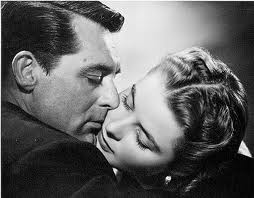
In light of my most recent posts listing the best actors and acting performances in film, alongside a two-part page series on the analysis of acting, it is only timely to kill two birds with one stone.  Bird number one: write my next review–which is supposed to be on a Hitchcock film as the framework for my blog requires.  Bird number two: write a supplementary article on a superb acting performance within the context of a single film.  Stone number one and only: Notorious. Continue reading